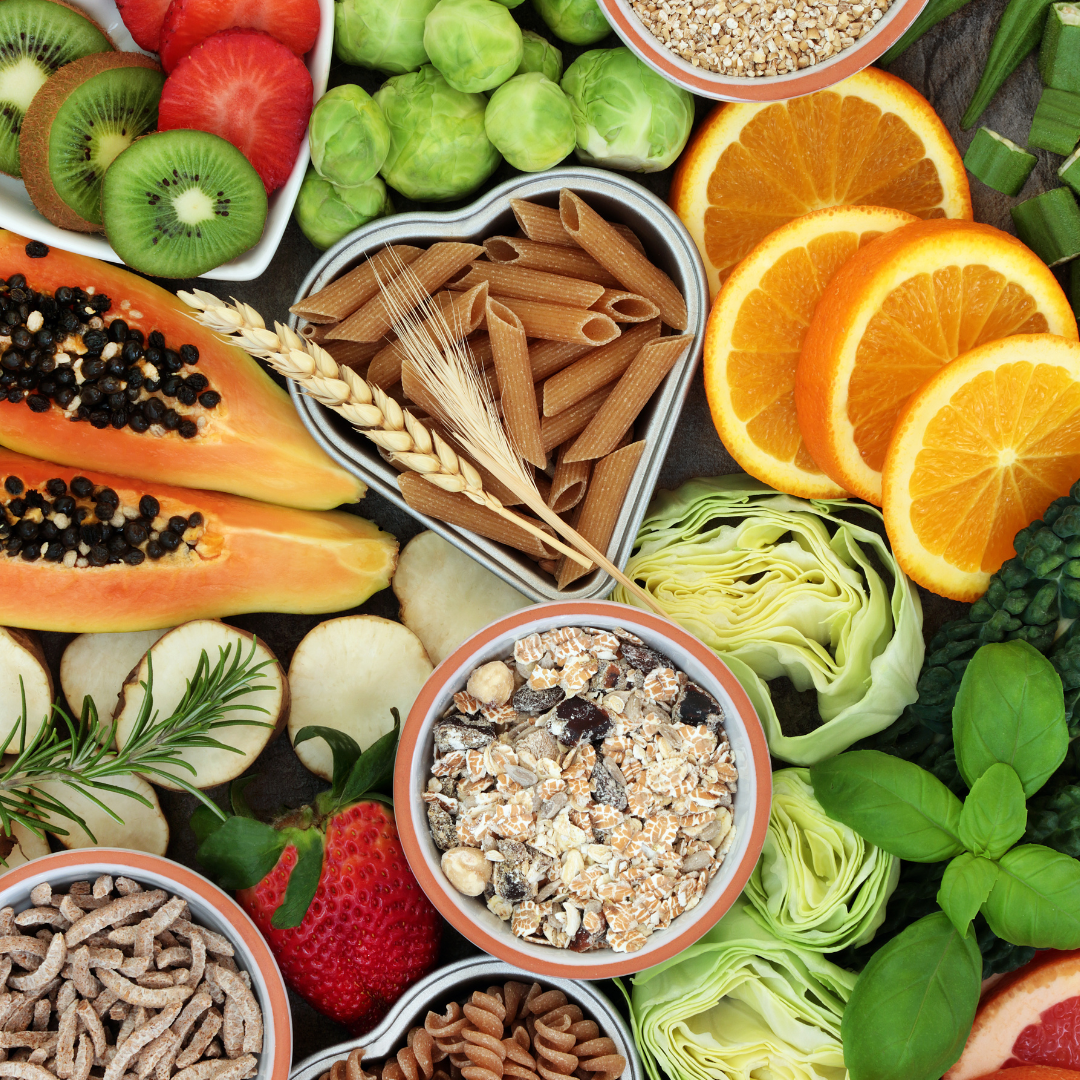
For elderly individuals, nutrition plays a pivotal role in maintaining health, vitality, and quality of life. As we age, our bodies undergo various changes that can affect appetite, digestion, and nutritional needs. Therefore, crafting meals that are not only nutritious but also appealing and easy to eat is essential. In this comprehensive guide, we will explore what constitutes a good meal for the elderly, focusing on nutritional balance, ease of eating, and flavor, while also addressing common age-related dietary concerns.
Understanding the Nutritional Needs of the Elderly
Before diving into meal suggestions, it’s important to understand the unique nutritional requirements of older adults:
– Caloric Needs: Generally lower due to a decrease in metabolic rate and physical activity.
– Protein: Essential for maintaining muscle mass and strength, which is crucial for mobility.
– Calcium and Vitamin D: Important for bone health, reducing the risk of fractures.
– Fiber: Aids in digestion and prevents constipation.
– Hydration: Older adults are more prone to dehydration, so adequate fluid intake is essential.
– Micronutrients: Vitamins and minerals such as B12, folate, and iron are key for maintaining various bodily functions.
Components of a Good Meal for the Elderly
1. Protein-Rich Foods
– Examples: Lean meats, poultry, fish, eggs, dairy products, legumes, and tofu.
– Benefits: Supports muscle health, aids in tissue repair, and provides energy.
– Preparation Tips: Opt for softer preparations like stews or casseroles for easier chewing and digestion.
2. Calcium and Vitamin D Sources
– Examples: Dairy products, fortified plant milks, leafy green vegetables, and fatty fish.
– Benefits: Promotes bone health and reduces the risk of osteoporosis.
– Preparation Tips: Incorporate dairy or fortified ingredients into smoothies, soups, and casseroles.
3. High-Fiber Foods
– Examples: Whole grains, fruits, vegetables, nuts, and seeds.
– Benefits: Enhances digestive health and can aid in controlling blood sugar levels.
– Preparation Tips: Use whole-grain ingredients in baking, and include a variety of vegetables and fruits in meals.
4. Hydration-Focused Ingredients
– Examples: Water, herbal teas, soups, and water-rich fruits and vegetables like cucumbers and melons.
– Benefits: Maintains hydration and supports overall bodily functions.
– Preparation Tips: Serve soups or stews as part of meals, and offer fruit-based desserts or snacks.
5. Micronutrient-Rich Foods
– Examples: Varied fruits and vegetables, nuts, seeds, and fortified foods.
– Benefits: Supports immune function, vision, and cellular repair.
– Preparation Tips: Focus on colorful fruits and vegetables to maximize nutrient intake.
Sample Meal Ideas
Breakfast
– Oatmeal with Fresh Berries and Almonds: Provides fiber, protein, and essential vitamins.
– Scrambled Eggs with Spinach and Whole-Grain Toast: A balanced meal offering protein, iron, and fiber.
Lunch
– Grilled Chicken Salad with Mixed Greens: Offers lean protein and a variety of vitamins from greens.
– Lentil Soup with Whole-Grain Bread: Comforting, easy to eat, and rich in fiber and protein.
Dinner
– Baked Salmon with Steamed Broccoli and Quinoa: Provides omega-3 fatty acids, calcium, and whole grains.
– Beef Stew with Carrots and Potatoes: Easy to chew and digest, and offers protein, vitamins, and carbohydrates.
Snacks
– Greek Yogurt with Honey and Nuts: A good source of calcium, protein, and healthy fats.
– Apple Slices with Peanut Butter: Offers a satisfying combination of fiber, protein, and sweetness.
Addressing Common Dietary Concerns
Difficulty Chewing or Swallowing (Dysphagia)
– Solution: Focus on soft, moist foods and avoid hard, sticky, or very dry foods. Pureed or blended meals can be both nutritious and appetizing.
Reduced Appetite
– Solution: Serve smaller, more frequent meals. Focus on nutrient-dense foods to ensure adequate intake.
Changes in Taste Sensitivity
– Solution: Experiment with herbs, spices, and flavor enhancers like lemon juice to make meals more appealing.
The Importance of Enjoyable Eating
While nutrition is paramount, the enjoyment of food should not be overlooked. Meals should be visually appealing and tailored to the individual’s taste preferences. This approach not only enhances the dining experience but also encourages better eating habits.