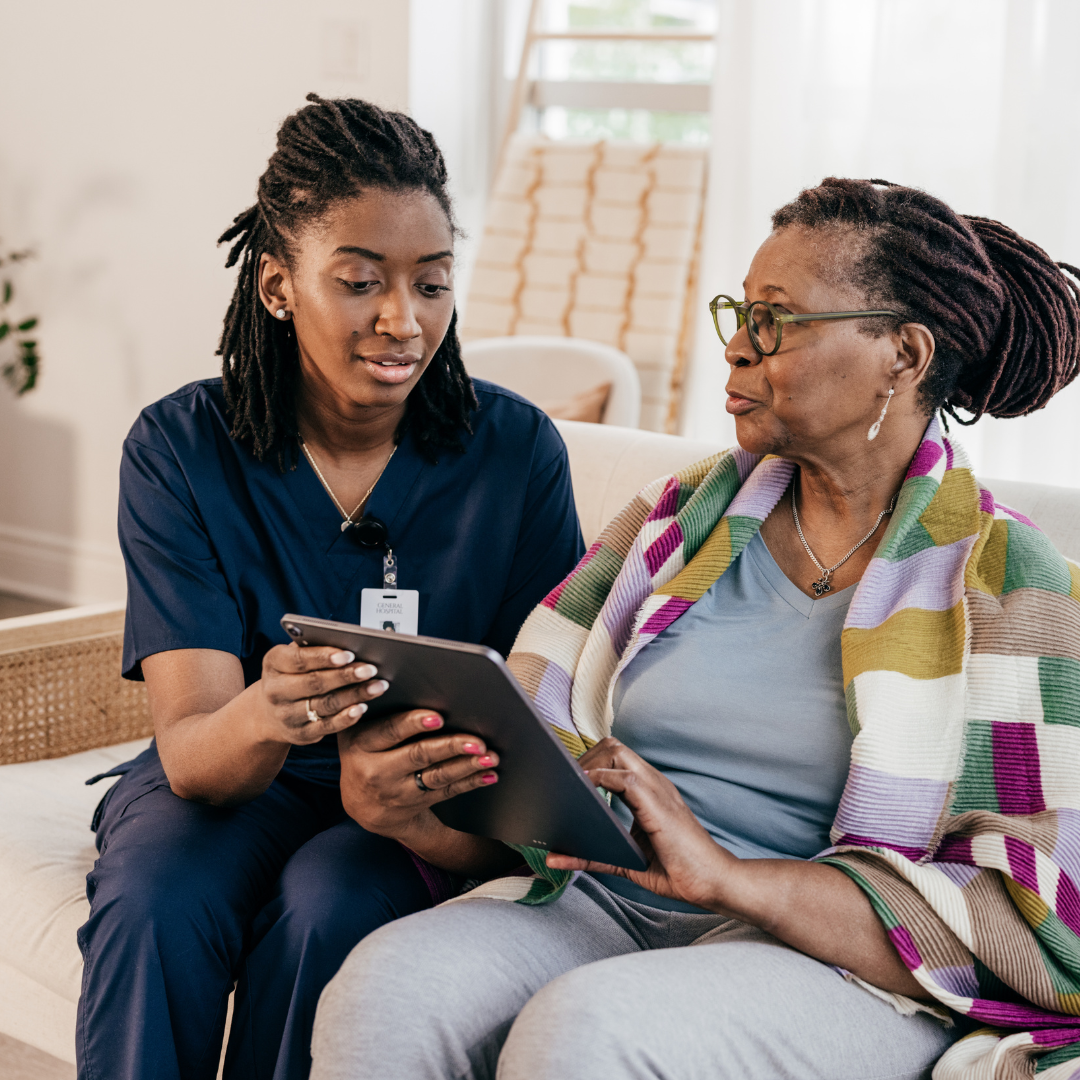
Nutrition plays a crucial role in the health and well-being of the elderly, perhaps even more so than at any other time in life. As individuals age, their nutritional needs change, often becoming more complex due to underlying health conditions, changes in metabolism, and the body’s natural ageing process. At Country Kitchen Foods Norfolk, we specialize in addressing these unique nutritional needs with tailored meal plans designed to cater to the specific requirements of the elderly. This blog post explores the various special dietary considerations crucial for elderly nutrition, providing insight into how we manage these needs effectively.
Understanding the Nutritional Challenges of Aging
Decreased Caloric Needs but Increased Nutrient Demands
As people age, their metabolic rate typically decreases, which means they need fewer calories. However, their need for certain nutrients, such as calcium, vitamin D, and vitamin B12, may increase. Balancing this shift—fewer calories but higher nutrient demands—is critical to prevent weight gain while ensuring adequate nutrient intake.
Common Health Conditions
Many elderly individuals manage chronic conditions that require specific dietary adjustments. For example, diabetes necessitates careful carbohydrate management, while heart disease may require a diet low in sodium and saturated fats. Addressing these needs without compromising the enjoyment of food can be a significant challenge.
Tailoring Diets to Meet Special Needs
Heart Health
For those with cardiovascular conditions, reducing sodium intake is crucial. At Country Kitchen Foods Norfolk, we craft meals that are flavorful yet low in salt by using herbs, spices, and other natural flavour enhancers. We also emphasize the inclusion of heart-healthy fats from sources like fish and olive oil, which can help improve cholesterol levels.
Diabetic Diets
Managing blood sugar levels is essential for elderly individuals with diabetes. Our meal plans focus on balancing carbohydrates with fibre, protein, and healthy fats to help stabilize blood sugar. We offer dishes with low glycemic index ingredients and avoid added sugars, providing meals that help maintain energy levels without causing sugar spikes.
Bone Health
As bone density typically declines with age, increasing the risk of fractures, our diets are rich in calcium and vitamin D. We include dairy products fortified with these nutrients, leafy green vegetables, and fish to help strengthen bones. Additionally, we ensure that meals are easy to consume for those who might struggle with chewing or swallowing, ensuring they don’t miss out on these crucial nutrients.
Digestive Health
Digestive systems often become more sensitive and less efficient as people age, making high-fiber diets essential. Fibre helps promote digestive health and prevent constipation, a common issue among the elderly. Our menus feature a variety of fibre-rich foods, including whole grains, legumes, fruits, and vegetables, all prepared in ways that are easy to digest.
Implementing Special Diets
Texture Modifications
For those with difficulty chewing or swallowing, known as dysphagia, we modify the texture of foods to ensure safety and ease of eating. This can range from softly cooked meals to pureed foods, all while ensuring that these modified meals are nutritious and appealing.
Small, Frequent Meals
Some elderly individuals find it easier to eat smaller portions more frequently rather than traditional large meals. We accommodate this by offering smaller, nutrient-dense meals that can be eaten throughout the day, helping to maintain energy levels and stabilize metabolism without overwhelming the digestive system.
Continuous Monitoring and Adaptation
Nutritional needs can change rapidly as health conditions evolve or improve. Our team continuously monitors the effectiveness of dietary interventions and makes necessary adjustments. Regular consultations with healthcare providers and feedback from our clients and their families help inform these adjustments, ensuring each individual’s dietary needs are met precisely.
Education and Engagement
Nutritional Education
We believe in empowering our elderly clients and their caregivers with knowledge about nutrition. Through workshops, pamphlets, and one-on-one discussions, we educate them about the importance of various nutrients, how to manage specific health conditions through diet, and ways to make meals more enjoyable and nutritionally adequate.
Engaging with Caregivers
Caregivers play a crucial role in the nutritional health of the elderly. We work closely with caregivers to ensure they understand the dietary needs of those they care for, providing training and ongoing support to help them prepare meals that adhere to the dietary guidelines we set.
Conclusion
At Country Kitchen Foods Norfolk, we recognize that proper nutrition is a cornerstone of health, especially for the elderly. By addressing the special dietary considerations that come with aging, and tailoring our services to meet these complex needs, we help enhance the health, dignity, and quality of life of the elderly. Our commitment to specialized elderly nutrition ensures that each meal not only nourishes the body but also brings joy and satisfaction to our clients, making every mealtime a positive experience.