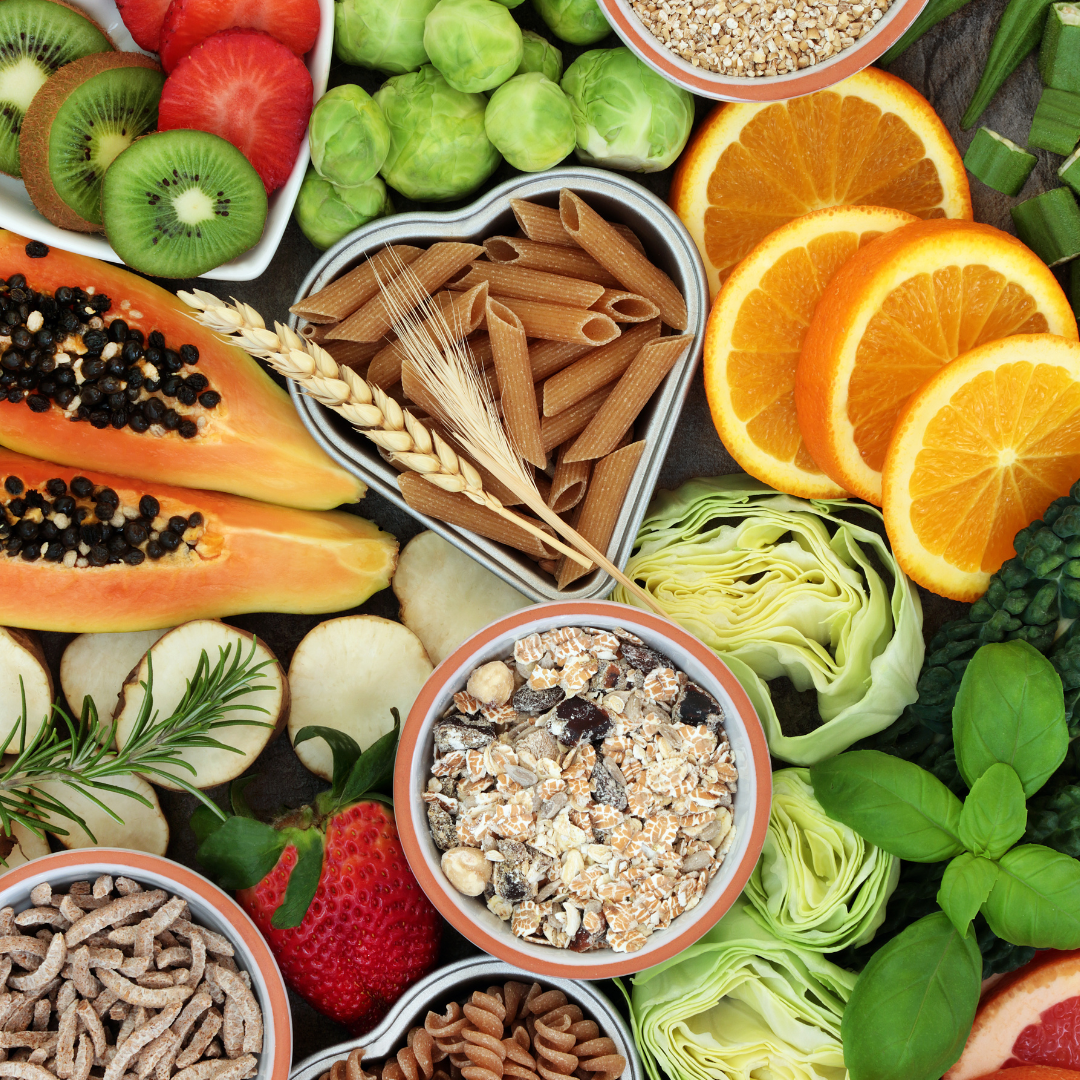
Meal preparation for elderly individuals is an important task that requires consideration of their unique dietary needs, preferences, and any physical or cognitive limitations they may have. As people age, their nutritional requirements change, and they may face challenges that make cooking and eating more difficult. This comprehensive guide aims to provide practical advice and tips for preparing meals that are not only nutritious and easy to eat but also enjoyable and suited to the specific needs of seniors.
Understanding the Nutritional Needs of the Elderly
The first step in elderly meal prep is understanding the unique nutritional needs of seniors. These may include:
– Higher Nutrient Density: Due to decreased caloric needs, meals should be rich in nutrients to prevent deficiencies.
– Easily Digestible Foods: As digestion can slow down with age, it’s important to include foods that are easy to digest.
– Soft and Easy-to-Chew Options: Dental issues or difficulties with chewing and swallowing necessitate softer food choices.
– Hydration Focus: Ensuring adequate fluid intake is crucial as the sense of thirst diminishes with age.
Planning and Preparing Meals
1. Meal Planning
– Balanced Diet: Plan meals that include a balance of protein, carbohydrates, fiber, and healthy fats.
– Consider Dietary Restrictions: Take into account any dietary restrictions due to health conditions like diabetes, hypertension, or allergies.
– Variety: Incorporate a variety of foods to provide all necessary nutrients and to keep meals interesting.
2. Grocery Shopping
– List Making: Create a shopping list based on the meal plan to ensure you have all the necessary ingredients.
– Choose Fresh and Whole Foods: Whenever possible, opt for fresh fruits, vegetables, and whole grains.
– Read Labels: For packaged foods, read labels to avoid high sodium, sugars, and unhealthy fats.
3. Meal Prep Techniques
– Batch Cooking: Prepare meals in batches to save time and ensure there are always healthy options available.
– Easy-to-Chew Foods: Cook foods until they are soft, or consider mashing or pureeing for easier consumption.
– Use of Herbs and Spices: Enhance flavors with herbs and spices instead of salt or sugar, which are often restricted in elderly diets.
4. Portioning and Storing
– Appropriate Portions: Divide meals into portions that are the right size for the senior’s appetite.
– Safe Storage: Use airtight containers and refrigerate or freeze meals to maintain freshness.
Tips for Successful Elderly Meal Prep
Addressing Appetite Issues
– Small, Frequent Meals: Instead of three large meals, consider smaller, more frequent meals throughout the day.
– Attractive Presentation: Make meals visually appealing to stimulate appetite.
Adapting to Physical Limitations
– Easy-to-Open Containers: Use containers that are easy to open, especially for seniors with arthritis or limited hand strength.
– Utensil Adaptations: Provide utensils that are easier to handle, such as utensils with larger handles.
Ensuring Safety in the Kitchen
– Avoid Complicated Recipes: Choose simple recipes that don’t require the use of potentially dangerous kitchen equipment.
– Fire Safety: If the senior is cooking, ensure that there are fire safety measures in place, like a working smoke detector and a fire extinguisher.
Involving the Elderly in Meal Prep
– Encourage Participation: If possible, involve the senior in the meal prep process, which can be a fun and engaging activity.
– Respect Preferences: Take into account their food preferences and encourage them to suggest meal ideas.
Sample Meal Ideas
Breakfast
– Oatmeal with Berries: A soft and nutritious option that is easy to eat and digest.
– Scrambled Eggs with Spinach: Provides protein and is soft enough for those with chewing difficulties.
Lunch
– Chicken Salad with Soft Vegetables: A balanced meal that includes protein and vegetables cooked to a soft consistency.
– Soup with Soft Bread: Soups are a great option as they are hydrating and can be packed with nutrients.
Dinner
– Baked Fish with Mashed Sweet Potatoes: Offers essential omega-3 fatty acids and is gentle on the stomach.
– Pasta with Ground Turkey and Cooked Vegetables: A versatile dish that can be adapted to be softer as needed.
Snacks
– Yogurt with Soft Fruits: Provides calcium and is easy to eat.
– Pudding or Applesauce: Soft and can be a comforting treat.