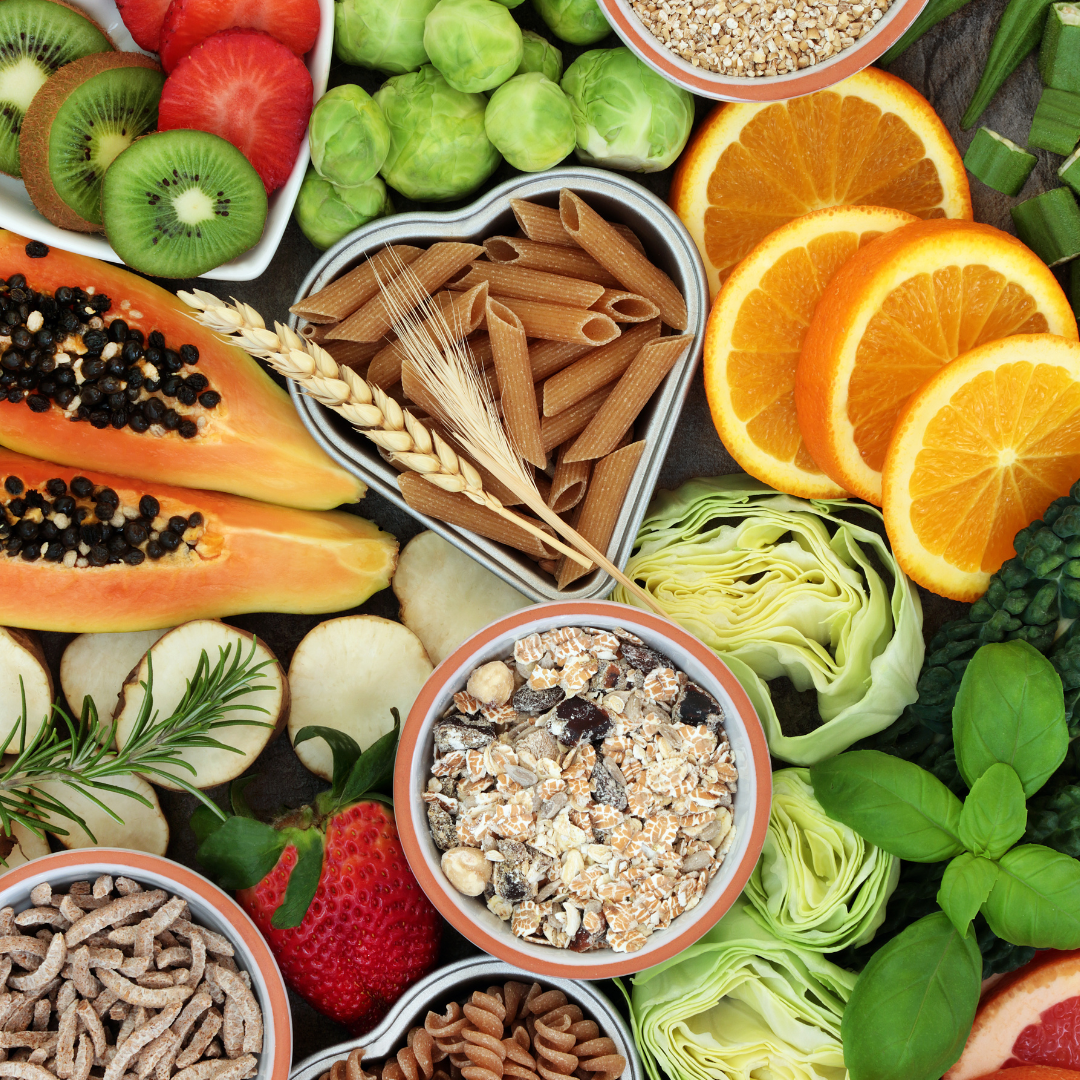
In an era where sustainability is not just a choice but a necessity, Country Kitchen Foods stands as a vanguard of sustainable eating in Norfolk. Our commitment to sustainability is deeply ingrained in every aspect of our operations, particularly in how we source our ingredients. This blog post invites you on a journey through Norfolk’s local farms, where the roots of our sustainable eating practices truly lie.
Embracing the Local Bounty
At the heart of Country Kitchen Foods’ philosophy is a profound respect for the local land and the bounty it provides. Norfolk, with its rich agricultural heritage, offers a cornucopia of fresh, high-quality produce. By partnering with local farmers, we are able to bring these exceptional ingredients directly to your table.
Why Local Matters
1. Freshness and Flavor: Local produce doesn’t have to travel far, meaning it arrives in your meals bursting with freshness and flavor.
2. Reduced Carbon Footprint: Shorter travel distances for food mean significantly reduced carbon emissions, contributing to a healthier planet.
3. Supporting Local Economy: When we buy local, we’re supporting the livelihoods of farmers in the Norfolk community, ensuring that they can continue to grow and thrive.
A Seasonal Approach to Eating
Our menus at Country Kitchen Foods are guided by the rhythms of the seasons. This seasonal approach means we adapt our dishes to what’s naturally available at different times of the year.
The Benefits of Seasonal Eating
– Nutrient-Rich: Foods grown and harvested in their proper season are more nutritionally dense.
– Eco-Friendly: Seasonal produce requires less artificial assistance in the form of pesticides, fertilizers, and other environmental stressors.
The Farmers: Our Unsung Heroes
The real heroes in our journey of sustainable eating are the local farmers. These dedicated individuals work tirelessly to maintain the health and integrity of our land.
Building Relationships
– Partnerships: We’ve built strong relationships with Norfolk farmers, based on mutual respect and a shared vision for sustainable agriculture.
– Fair Practices: Ensuring that our farmers are paid fairly is fundamental to our ethos. This not only supports the local economy but also promotes sustainable farming practices.
Farm to Table: A Transparent Journey
Transparency is key in our farm-to-table model. We want our customers to know where their food comes from, how it’s grown, and the journey it takes to reach their plates.
Educating and Engaging
– Farm Visits and Events: We organize visits to our partner farms for customers, offering a firsthand look at the farming process.
– Workshops and Talks: Through educational events, we aim to raise awareness about the importance of sustainable eating and local agriculture.
Sustainable Practices in the Kitchen
Our commitment to sustainability extends into our kitchens, where we implement practices to minimize waste and maximize efficiency.
Reducing Food Waste
– Composting: Food scraps and unused portions are composted, returning nutrients back to the soil.
– Mindful Preparation: Our chefs are trained in techniques that reduce food waste, utilizing as much of each ingredient as possible.
The Impact on Our Community
The impact of our sustainable eating practices is far-reaching, extending beyond just the environmental benefits.
Health and Wellbeing
– Nutritious Meals: Our meals, made with fresh, local, and seasonal ingredients, are inherently nutritious, contributing to the health and wellbeing of our customers.
Strengthening Community Ties
– Community Connection: Our model fosters a deeper connection between consumers and local farmers, creating a sense of community around food and eating.
Conclusion
Sustainable eating is more than a trend at Country Kitchen Foods; it’s a way of life. By embracing local, seasonal produce and fostering strong relationships with Norfolk’s farmers, we’re not just preparing meals—we’re nurturing a sustainable food system that benefits both people and the planet. Join us on this journey of sustainable eating, where every meal is a celebration of Norfolk’s local farms and a step towards a more sustainable future.