As individuals age, their dietary needs evolve, presenting unique challenges and considerations that are crucial for maintaining health and wellness. At Country Kitchen Foods Norfolk, our experts specialise in understanding and catering to these changes, ensuring that the meals we provide to the elderly, whether at home or in care facilities, are not only enjoyable but also meticulously tailored to meet their specific nutritional requirements. This post explores the special dietary considerations for the elderly and offers insights from our culinary and nutritional experts on how to best address these needs.
Understanding the Nutritional Needs of the Elderly
Elderly individuals often face a range of health issues that can affect their dietary needs, including decreased metabolism, changes in taste and smell, and various chronic conditions. These factors make it essential to focus on nutrient-dense foods that provide adequate vitamins, minerals, and energy in smaller volumes.
Nutrient Density Over Quantity
As metabolism slows with age, the caloric needs of the elderly decrease. However, their need for certain nutrients remains high, or in some cases, may even increase. Our experts at Country Kitchen Foods Norfolk emphasise the importance of nutrient density, which involves selecting foods that are high in nutrients but low in calories. This approach helps prevent malnutrition and supports overall health without contributing to weight gain.
Adequate Protein Intake
Protein is crucial for preserving muscle mass, which naturally diminishes with age. Sufficient protein intake helps maintain strength and mobility, reduces the risk of falls, and speeds up recovery from illnesses or surgeries. Our meals are designed to provide high-quality protein from a variety of sources, accommodating preferences and dietary restrictions, such as vegetarian or low-fat options.
Managing Chronic Conditions
Many elderly individuals manage one or more chronic conditions such as diabetes, hypertension, or heart disease, each requiring specific dietary adjustments. For instance, our diabetic-friendly meals are carefully planned to ensure balanced blood sugar levels, incorporating complex carbohydrates, fiber, and limited sugars. Similarly, for those managing hypertension or heart conditions, we offer low-sodium and heart-healthy meals that help control blood pressure and cholesterol levels.
The Importance of Hydration
Hydration is a critical, yet often overlooked, aspect of elderly nutrition. Older adults are at a higher risk of dehydration due to a reduced sense of thirst and, in some cases, medications that can increase fluid loss. At Country Kitchen Foods Norfolk, we ensure that our meal plans encourage adequate fluid intake, and our menus often include foods with high water content, such as soups, stews, and fruits like watermelon and cucumbers.
Special Considerations for Dietary Restrictions
Texture Modifications
Dental issues or difficulties in swallowing (dysphagia) are common among the elderly, requiring meals to be modified in texture without compromising on nutritional quality. We offer a range of texture-modified diets, from softly cooked to pureed foods, ensuring they are safe, easy to consume, and visually appealing.
Allergies and Intolerances
Allergies don’t just affect the young. Elderly individuals can also suffer from food allergies and intolerances. We take great care to customise meals that exclude allergens while providing balanced nutrition, taking into account newly diagnosed allergies or lifelong conditions.
The Role of Fiber
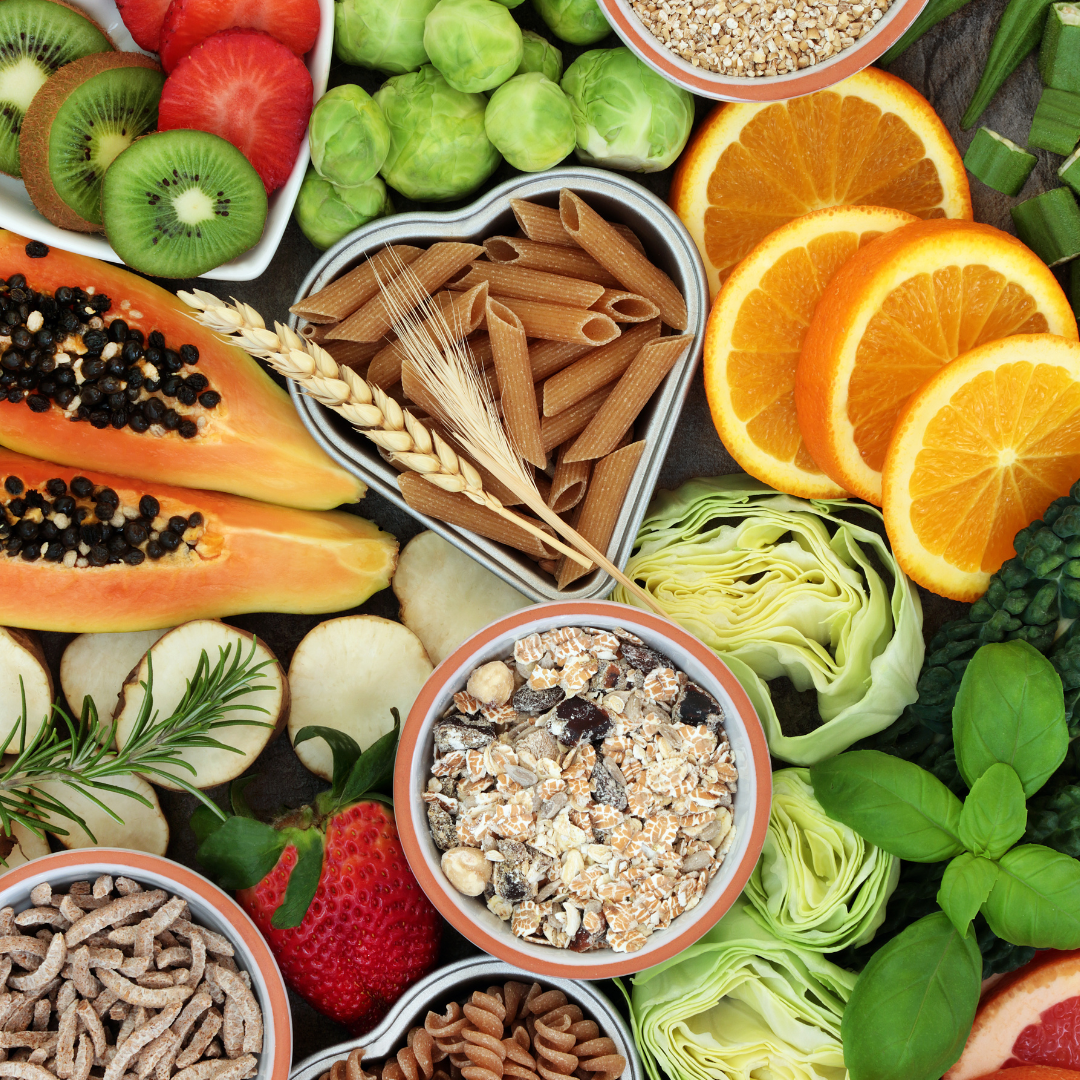
Fiber plays a significant role in digestive health, which can be a concern for many elderly individuals who may suffer from constipation. A fiber-rich diet also helps control blood sugar levels and supports heart health. Our meals include a variety of fiber sources, such as whole grains, legumes, fruits, and vegetables, tailored to individual digestive capabilities and preferences.
Incorporating Omega-3 Fatty Acids
Omega-3 fatty acids are essential for maintaining heart health and cognitive function. They are especially important for the elderly, who are at increased risk of heart disease and cognitive decline. Our menus include sources of omega-3s like fish, flaxseeds, and walnuts, ensuring these vital nutrients are a part of the regular diet.
Conclusion
At Country Kitchen Foods Norfolk, we understand that providing nutritionally adequate, appealing, and safe meals for the elderly requires deep knowledge and thoughtful consideration of their specific dietary needs. Our commitment to enhancing the health and quality of life of the elderly through specialised dietary planning is what sets us apart. Each meal is more than just food; it’s a building block to better health and greater enjoyment in later life, crafted with care by our team of experts. Through our meals, we aim not only to nourish but also to bring joy and comfort to the elderly we serve every day.