We all know that eating meat is often seen as unhealthy, especially for the elderly. So, does that mean we all need to stop consuming animal products entirely? While there are certain health benefits of cutting back on or eliminating meat from our diets, it’s still important to weigh the pros and cons before you make any drastic lifestyle changes. In today’s blog post, we’ll go over what studies have found regarding eating meat and discuss potential alternatives in order to help older adults make informed decisions about their dietary habits. Let’s dive into everything you need to know when considering a shift away from consuming animal products!
What scientific evidence exists to suggest that reducing our meat intake is beneficial for the environment and our health
Scientific studies have provided evidence that reducing our meat intake can benefit both the environment and our health. The methane emissions from livestock contribute significantly to greenhouse gas emissions and climate change. Moreover, the production and transportation of meat require more energy and resources than plant-based foods, contributing to environmental degradation. As for our health, a diet high in red and processed meat has been linked to an increased risk of certain cancers, heart disease, and other health problems. On the other hand, increasing the amount of fruits, vegetables, and whole grains in our diet has been shown to be beneficial for our health. While meat can be an important part of our diet, reducing our intake and incorporating more plant-based foods can have positive effects on both our health and the environment.
Exploring plant-based alternatives, including veganism and vegetarianism, as an alternative source of protein
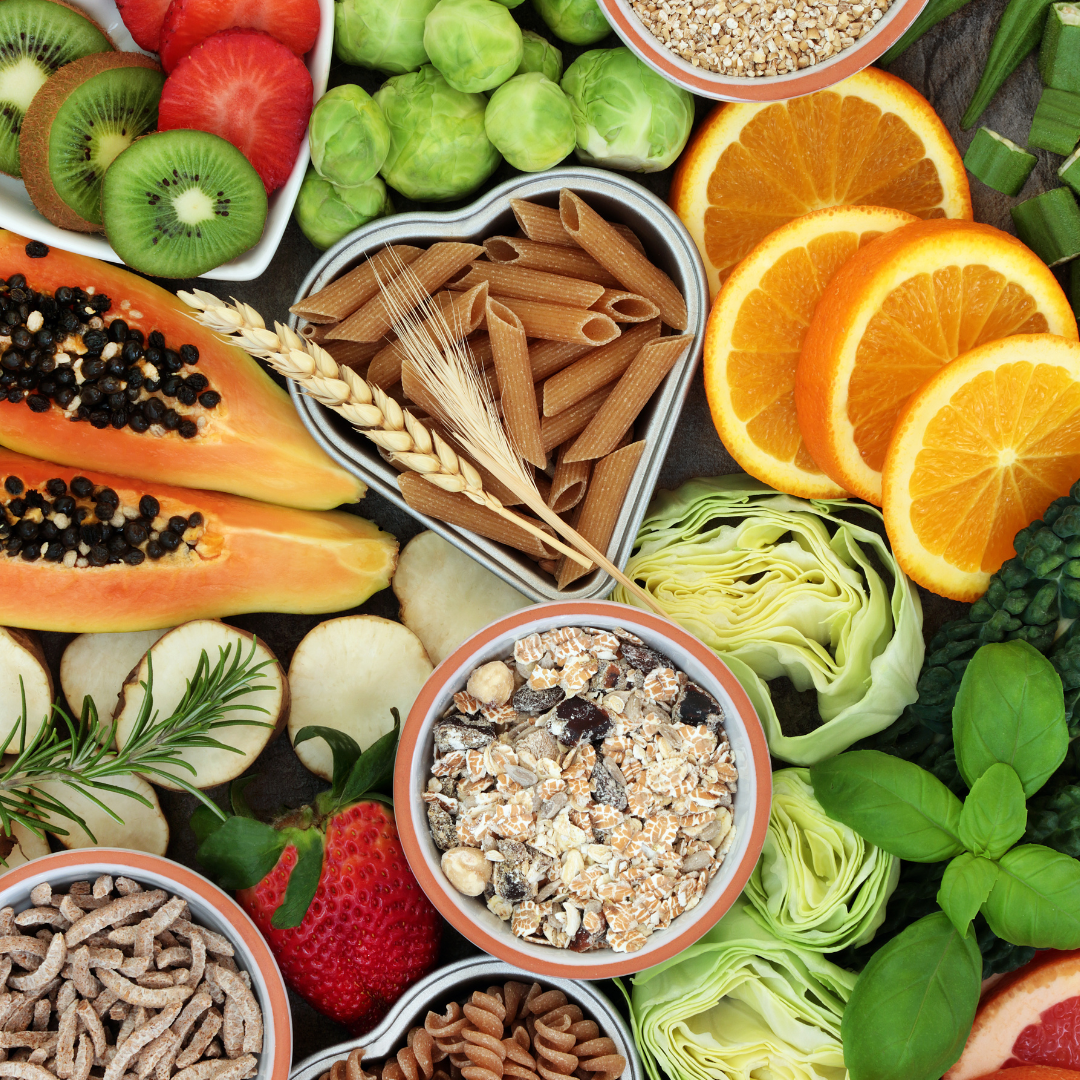
In recent years, there has been a growing interest in plant-based alternatives as a source of protein. Veganism and vegetarianism have gained popularity among health-conscious individuals looking to improve their diet and reduce their environmental impact. With advancements in food technology and innovation, plant-based protein sources have become more accessible and flavorful than ever before. From chickpeas to tofu to quinoa, there are numerous plant-based options that provide the necessary nutrients without sacrificing taste. Exploring these alternatives can not only lead to a healthier lifestyle but also contribute to a more sustainable future.
How much would reducing meat consumption reduce global greenhouse gas emissions and improve public health outcomes
Reducing meat consumption is an effective way to reduce global greenhouse gas emissions while also improving public health outcomes. Multiple studies have shown that meat production and consumption contribute significantly to climate change, with livestock accounting for up to 14.5% of global greenhouse gas emissions. Furthermore, high consumption of red and processed meats has been linked to increased risk of chronic diseases such as heart disease and cancer. By reducing meat consumption and replacing it with plant-based alternatives, individuals can play a crucial role in reducing their carbon footprint and improving their health. The benefits of reducing meat consumption extend beyond personal health, however, with the potential to have a significant impact on global emissions and the health of our planet.
Examining the potential economic benefits of moving away from a meat-heavy diet
Many people are starting to reconsider their diets and the impact it has on the environment. One area of debate is the consumption of meat and its potential economic benefits on society. According to research, shifting towards a plant-based diet could have a positive impact on the economy. For example, reducing the demand for meat could lower healthcare costs associated with meat-heavy diets and decrease the costs of producing and raising livestock. Additionally, transitioning to plant-based diets could lead to the creation of new jobs, specifically in the agriculture and food industries. While this shift may not be easy, taken together these economic benefits demonstrate that moving towards a plant-based diet could be an important step in creating a greener and more sustainable future.
Why is it important to consider the ethical implications of eating animals
It is important to consider the ethical implications of eating animals because it raises questions about our treatment of other living beings on the planet. Eating meat is a common practice, but it is not without controversy. Animals are often raised in factory farms and subjected to inhumane conditions, which can lead to ethical concerns about the treatment of animals. Additionally, the environmental impact of meat production is significant. While there are many factors to consider when it comes to eating meat, it is important to recognize that our choices have consequences and that we should strive to make ethical decisions about our food consumption.
A look at local initiatives being taken to reduce reliance on animal products in farming and food production
As demand for healthier and more eco-friendly food options rises globally, many communities are taking action to reduce their reliance on animal products in farming and food production. From urban gardens in cities to rural farms, a growing number of local initiatives are promoting the use of plant-based alternatives and sustainable farming practices. Some farmers are turning to permaculture methods, while others are experimenting with new crop rotations or efficient irrigation systems. Similarly, many food businesses are introducing vegan options or sourcing ingredients from local farmers to reduce their carbon footprint. By taking a proactive stance, communities are not only improving their food systems’ health but also creating a more equitable and sustainable future for all.
In conclusion, reducing our meat intake not only has beneficial effects on the environment and our public health but could also result in considerable economic benefits. The ethical implications of eating animals should be a major consideration when making dietary changes, and it is encouraging that local initiatives are increasingly being taken to reduce animal-product reliance in farming and food production. To make the biggest impact, everyone – from governments to business owners to individuals – has an important role to play in helping society transition away from its current dependence on farming animals for food. It takes all of us working together to create meaningful change, so let’s start today by researching plant-based alternatives, exploring ways to reduce our individual meat consumption, contributing financially or volunteering with environmental initiatives focused on animal welfare – no matter how big or small your action is – and spreading awareness of the many ways we can work together to create a more sustainable future.