It’s a common misconception that elderly people should eat less than younger generations. To the contrary, eating sufficient amounts of healthy food is just as important for older individuals—if not more so due to energy expenditure and health-related concerns. Unfortunately, many seniors confront portion intimidation which can limit or compromise their nutrient intake needed to stay active and healthy. In this blog post, we’ll be exploring three helpful strategies seniors can use to overcome this challenge in order to lead healthier lives through better nutrition!
Identify the signs of portion intimidation – why some seniors might be hesitant to fill their plate
As we age, our bodies change in various ways, and this includes how much food we need to stay healthy and energised. However, some seniors may experience portion intimidation, which can lead to hesitancy when it comes to filling their plates. Portion intimidation can be a result of various factors, ranging from difficulties with chewing and swallowing, to fear of wasting food or overeating. It’s important to identify the signs of portion intimidation, such as taking small servings or avoiding certain foods altogether, so that seniors can receive the support and resources they need to maintain a balanced, nutritious diet. By addressing portion intimidation, seniors can feel more confident and empowered to enjoy mealtimes and maintain their health and well-being.
Understand why adequate nutrition is important for elderly health and well-being
As we age, our bodies go through several changes that require careful attention and care. Adequate nutrition is one of the most critical aspects of senior health and well-being. The digestive system can become less efficient, making it harder to absorb vital nutrients. Proper nutrition can help reduce the risk of chronic illnesses such as heart disease, stroke, and osteoporosis. It can also help maintain healthy body weight, boost energy levels, and enhance mental agility. In short, consuming a balanced and nutritious diet is crucial to ensuring that seniors remain healthy and lead fulfilling lives.
Utilise techniques to help elderly individuals overcome portion intimidation such as pre-measured and portioned meals
As individuals age, they may encounter difficulties with portion control due to changes in appetite and metabolism. When these difficulties arise, pre-measured and portioned meals can be a helpful solution. Utilising techniques such as these can not only help individuals overcome portion intimidation, but also ensure they are receiving the appropriate amount of nutrients their bodies need. In addition, pre-measured meals can make meal preparation less overwhelming and time-consuming by removing the need for measuring and guessing serving sizes. Overall, implementing portion control techniques like pre-measured meals can promote healthy eating habits and bring peace of mind to elderly individuals.
Create simple meal plans that make use of kitchen staples and frozen meals
When it comes to meal planning, utilizing kitchen staples and frozen meals can be a total game changer. Not only does it save time and money, but it also helps to eliminate food waste. Start by taking inventory of your pantry and freezer to see what staples and frozen meals you already have on hand. From there, create a meal plan for the week that incorporates these items. For example, you could make a simple pasta dish with canned tomatoes and spinach from your pantry, while pairing it with a frozen side of garlic bread. Or, utilize frozen vegetables and rice to make a stir-fry for dinner. The possibilities are endless, and with a little creativity, you can create delicious and satisfying meals from your kitchen staples and frozen meals.
Provide resources that can help seniors build healthy habits to ensure optimal nutrition in their senior years
As seniors age, it becomes increasingly important for them to maintain healthy habits, especially in regard to their nutrition. Thankfully, there are many resources available to help them do so. One such resource is Meals on Wheels, which delivers nutritious meals directly to seniors’ homes. Another is the National Institute on Aging, which offers a range of nutrition-related information and resources on its website. Additionally, many senior centres and community organizations offer nutrition education classes and healthy cooking demonstrations. These resources can help seniors build healthy habits and ensure they are getting the nutrients they need for optimal health.
Encourage family members or caregivers to support elderly individuals with their nutritional needs
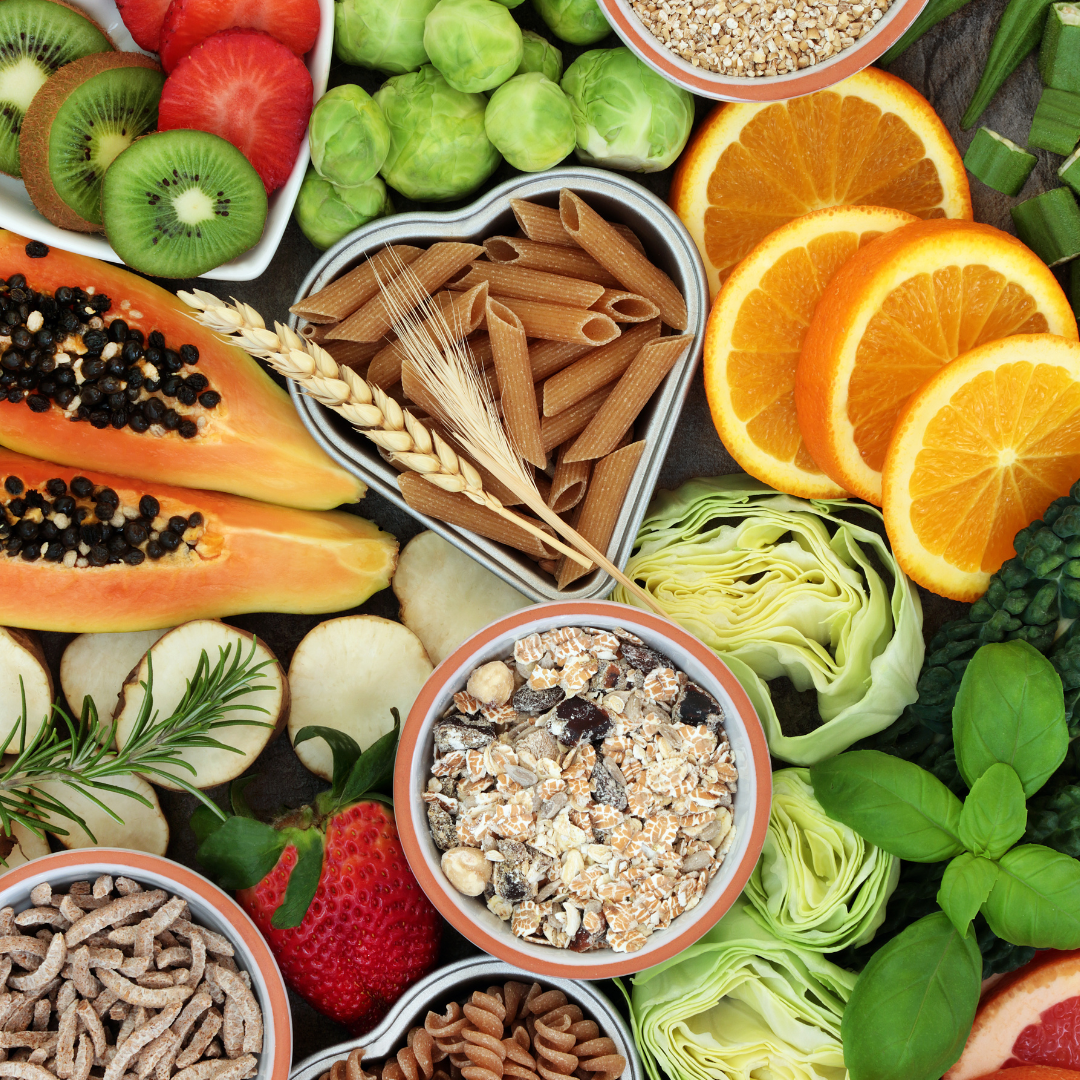
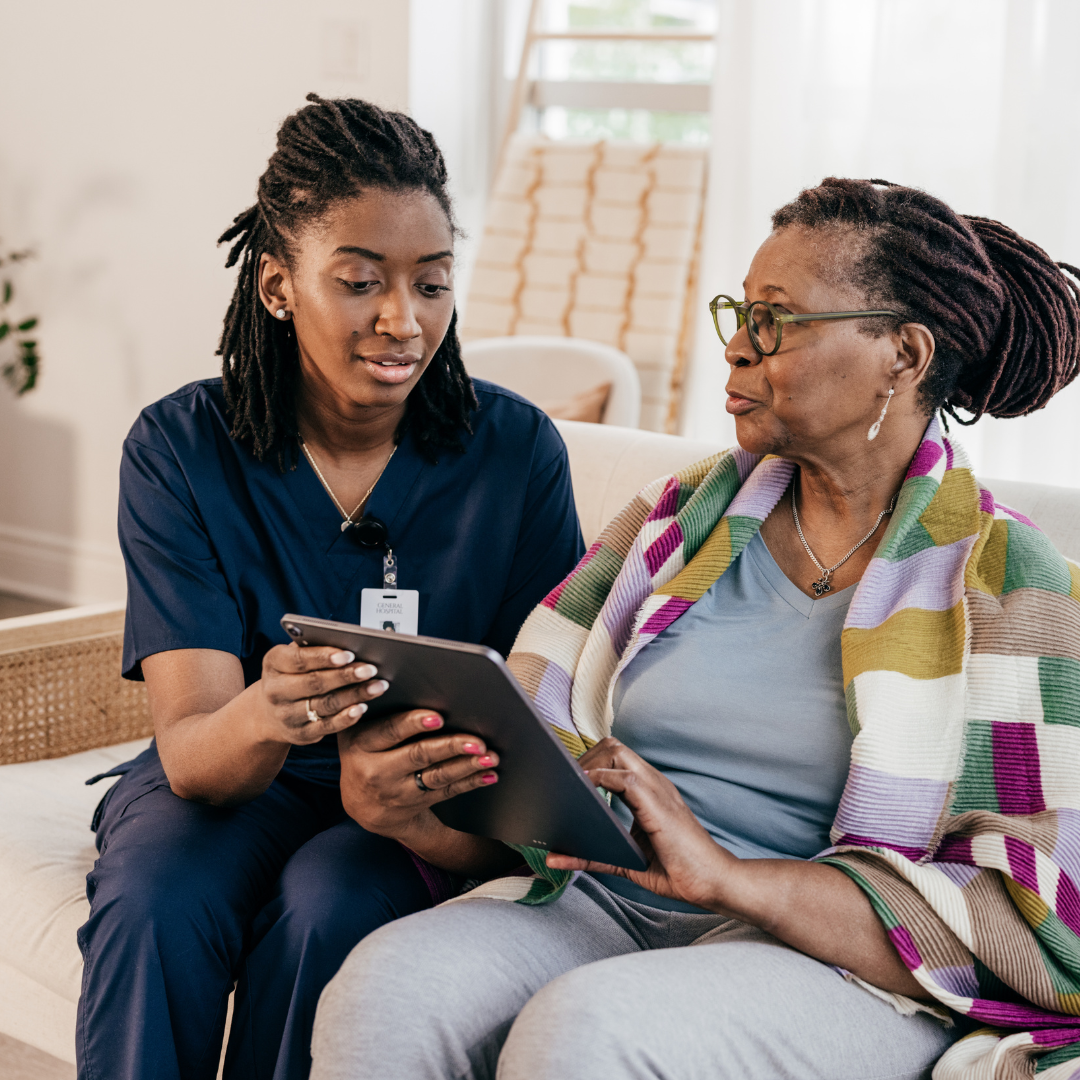
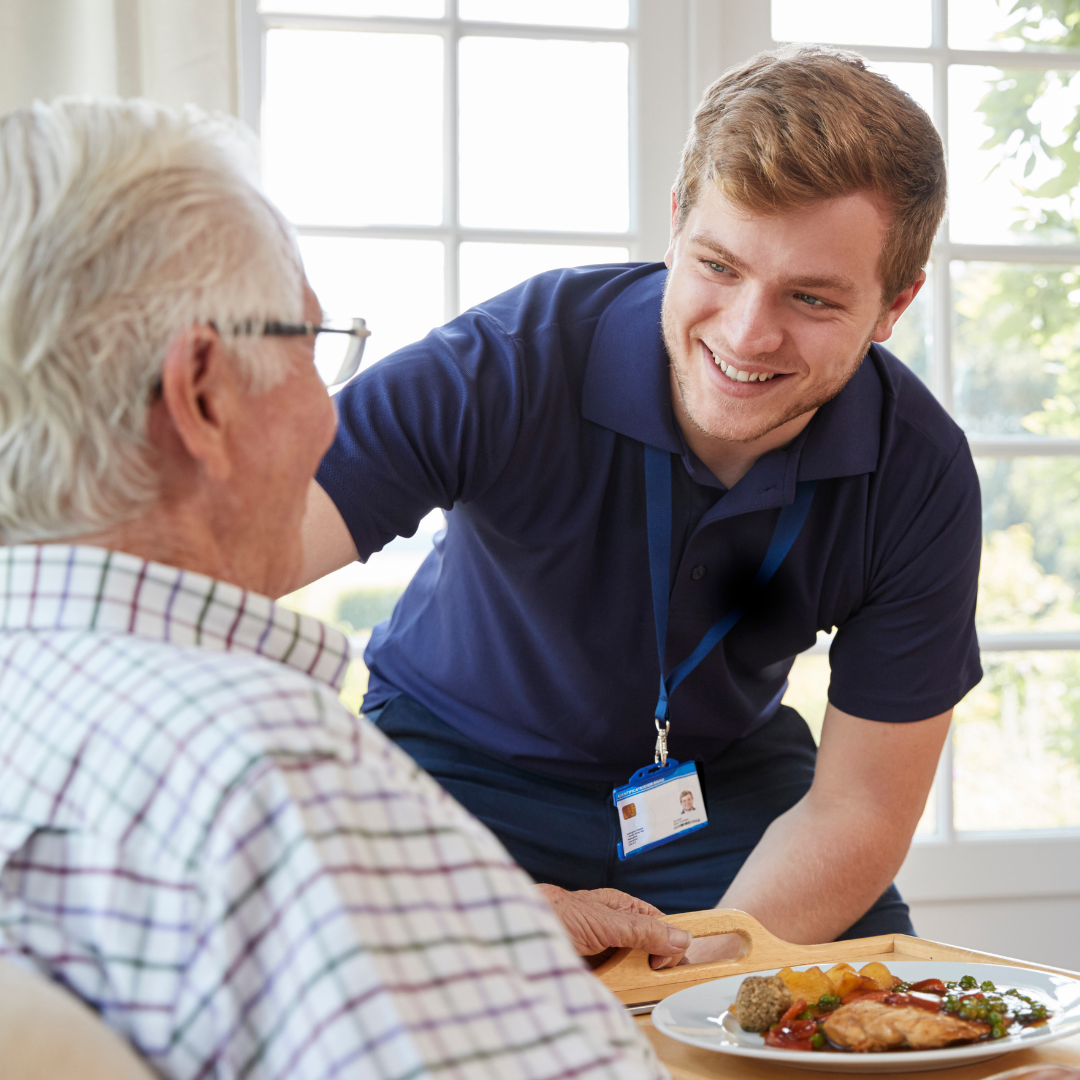
As individuals age, their nutritional needs may change, and it may become more difficult for them to maintain a healthy diet. This is where the support of family members or caregivers becomes crucial in ensuring that elderly individuals receive the necessary nutrients to maintain their health and well-being. It is important for family members and caregivers to encourage their loved ones to eat a balanced diet, including fruits, vegetables, whole grains, lean proteins, and low-fat dairy products. They should also ensure that their meals are nutrient-dense, meaning that they contain a high amount of nutrients per serving. Additionally, family members and caregivers should be mindful of any dietary restrictions or health conditions that may affect an elderly individual’s diet and work with a healthcare provider or registered dietitian to develop a nutrition plan that meets their specific needs. By supporting an elderly individual’s nutritional needs, family members or caregivers can contribute to their overall health and quality of life.
The takeaway from this blog post is that elderly individuals should strive to maintain a balanced and nutritious diet. To do this, seniors need to be aware of the signs of portion intimidation as well as the importance of adequate nutrition for their health and well-being. Whatever strategies an elderly individual chooses to employ, it is essential that they have support from family members or caregivers. There are many simple techniques such as providing pre-measured and portioned meals, creating meal plans using kitchen staples and frozen foods, and leveraging resources to build healthy habits. By utilizing all of these approaches together, seniors can be empowered to create an individualized plan for optimal nutrition in their senior years. It starts with taking those first few steps in looking into their health and nutrition needs; what’s next for you?