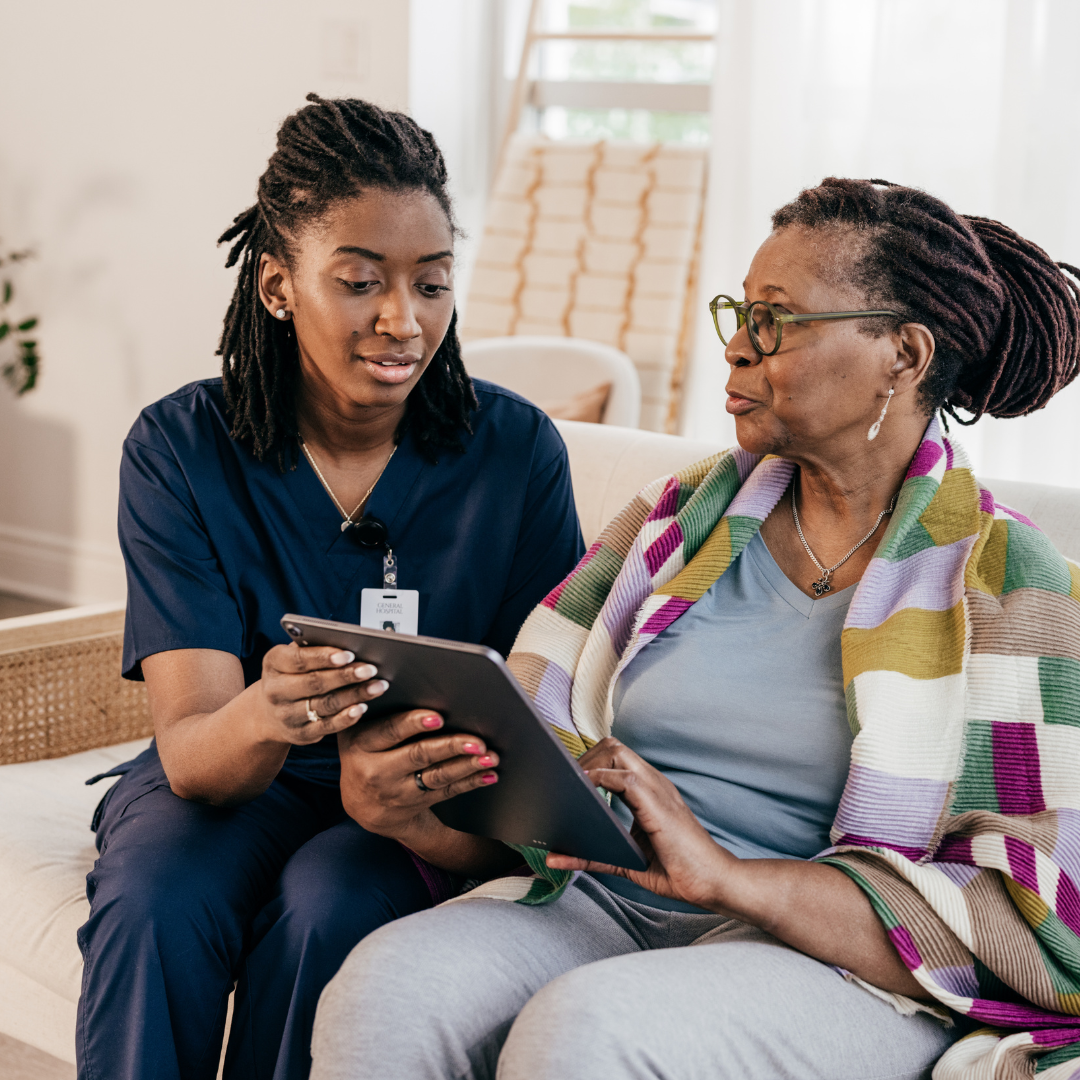
Caring for someone who is malnourished can often be a challenging task, but it doesn’t have to be. Knowing the right approaches and resources can make a huge difference in helping a loved one recover from malnutrition. In this blog post, we’re going to cover how elderly people can provide proper care and nutrition for those that they love who are suffering from poor nutrition or other related issues. We’ll talk about the importance of monitoring their loved one’s health closely and give tips on finding nutritional support options that best meet their individual needs.
Understand the basics of malnutrition and its causes
Malnutrition is a serious global issue that affects millions of people. It occurs when the body does not receive the required nutrients it needs to function correctly, resulting in poor physical and mental health. The causes of malnutrition can be attributed to various factors, including poverty, limited access to food, a lack of proper sanitation and hygiene, and various medical conditions that interfere with nutrient absorption. It is essential to understand the basics of malnutrition so that we can prevent, identify, and treat it. Educating ourselves and others on the causes and effects of malnutrition is the first step towards ensuring that everyone has access to the proper nutrition they need for a healthy and fulfilling life.
Identify the signs and symptoms of malnutrition
Malnutrition refers to a condition that arises when someone’s diet fails to provide them with the essential nutrients required for optimal health. The symptoms can be difficult to identify, and they may develop slowly over time. General indicators of malnutrition include unexplained weight loss, fatigue, dizziness, reduced immune function, and frequently falling ill. Other signs may include thinning hair, dry or scaly skin, slow-healing wounds, and weakened muscles. Severe cases may present with swelling in the legs, hands, or feet, and anaemia, among other symptoms. It is essential to pay attention to these indicators, as early detection can make it easier to manage the condition.
Develop a nutritional plan that meets the individual’s needs
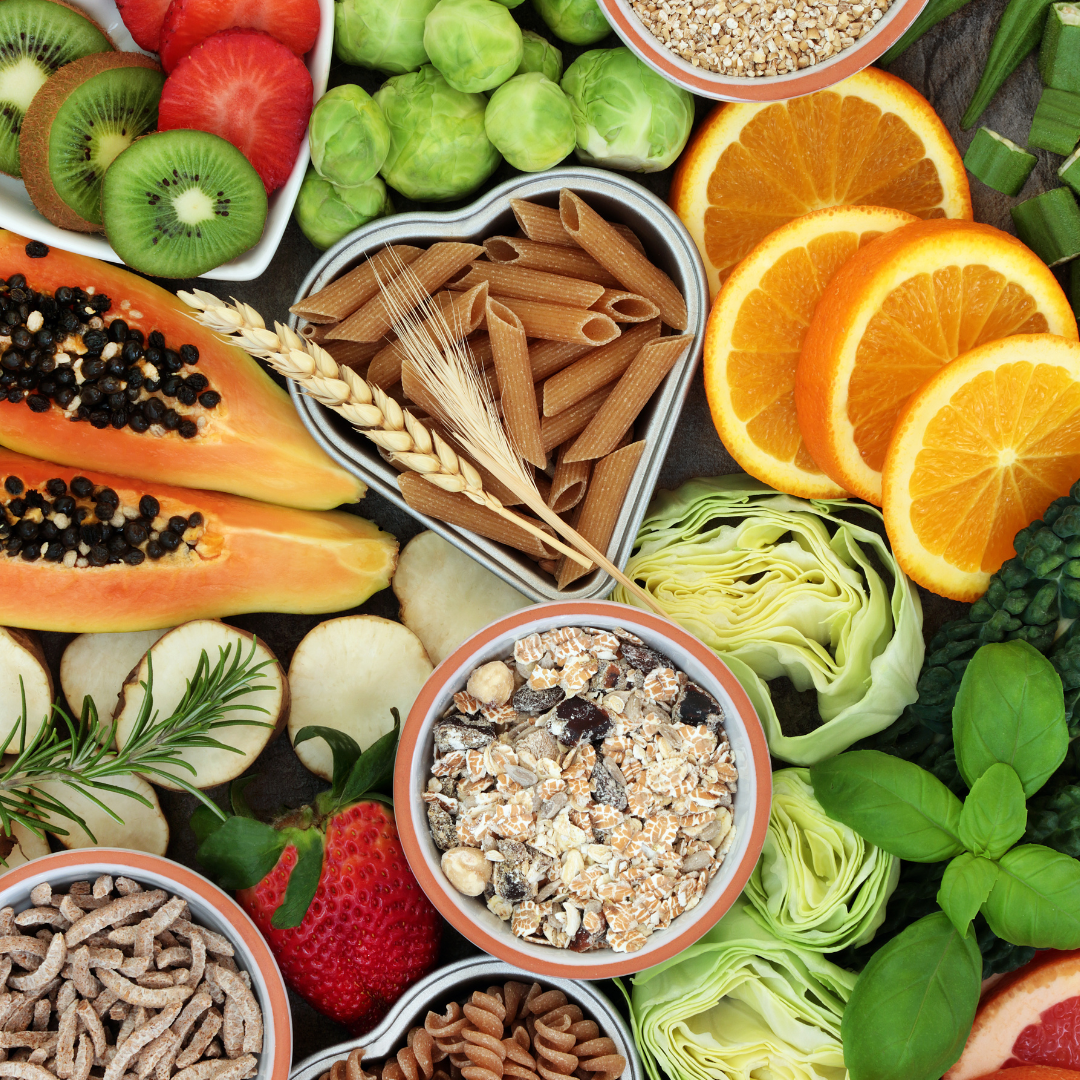
Developing a nutritional plan that meets an individual’s needs is an essential aspect of maintaining overall health and well-being. Each individual is unique, and therefore, their nutritional requirements will vary. We must ensure that our diet fulfils our body’s needs for energy, vitamins, and minerals. To develop a personalized nutritional plan, it’s crucial to consider various factors, such as age, sex, weight, activity level, and any underlying health concerns. Consulting a registered dietitian or a certified nutritionist can help individuals determine their specific nutritional needs and create a sustainable eating plan that is both enjoyable and nutritious. Proper nutrition is a critical foundation for physical and mental health, and creating a personalized plan can help individuals achieve their health goals efficiently.
Monitor the individual’s progress and adjust the plan accordingly
Monitoring an individual’s progress is a vital part of any plan for success. It allows us to evaluate whether the plan is working as intended, and make adjustments when needed. This ensures that the individual stays on track and continues to make progress towards their goals. It’s important to keep in mind that progress doesn’t always happen at a steady pace, and setbacks are inevitable. By monitoring an individual’s progress, we can identify areas where they may need additional support or resources to overcome these setbacks. With a little bit of flexibility and a willingness to make adjustments, we can help individuals achieve their goals and reach their full potential.
Provide adequate hydration for those suffering from malnutrition
Malnutrition can lead to a host of serious health problems, and one of the keys to addressing this issue is ensuring that individuals receive adequate hydration. Proper hydration is crucial for maintaining healthy bodily functions, as it helps to regulate temperature, transport nutrients, and remove waste materials. For those who are malnourished, providing enough fluids is especially important, as they may be dehydrated or have difficulty absorbing nutrients without enough water. Whether through drinking water, consuming liquids such as soup or tea, or receiving hydration through an intravenous (IV) line, there are a variety of strategies that can be used to help provide the hydration needed to support recovery from malnutrition.
Encourage physical activity and socialization to combat depression associated with malnutrition
Malnutrition can wreak havoc on both the mind and the body, often leading to depression. However, by encouraging physical activity and socialization, those suffering from malnutrition can alleviate the symptoms of depression. Physical activity releases endorphins, which help to boost mood and increase feelings of happiness. Additionally, socializing with others helps to reduce feelings of loneliness, which often accompany depression. Encouraging individuals to participate in group exercise classes or joining sports clubs is a great way to promote physical activity and socialization at the same time. Alternatively, simply going for a walk with a friend can provide numerous benefits to both the mind and body. By taking these steps, malnourished individuals can take control of their mental and physical health and improve their overall well-being.
Make sure they are taking their medications correctly in order to prevent complications like dehydration or infection
Taking medication correctly is essential in preventing complications such as dehydration or infection. It is important to follow the prescribed dosage and timing to ensure the medicine is effective and does not cause harm to the body. Patients should also be mindful of any interactions with other medications they may be taking. Additionally, keeping track of when medication is taken and monitoring any side effects can help healthcare providers make necessary adjustments to the treatment plan. Proper medication management is a crucial step in maintaining optimal health and preventing further complications.
Seek professional help if needed, such as a dietician or nutritionist
Making healthy choices in regard to nutrition is important for overall wellness. However, it can be tricky to navigate the plethora of information and advice available on the topic. That’s where seeking the professional assistance of a dietician or nutritionist can be beneficial. These experts have extensive knowledge of dietary needs and can provide personalised guidance based on individual goals and health concerns. Whether it be creating a meal plan, managing a chronic condition like diabetes, or simply seeking guidance on healthy eating habits, a dietician or nutritionist can offer valuable insight and support to optimise nutrition and overall health.
A holistic approach to the management of malnutrition is essential for helping those suffering from the condition. It is important to understand what nutritional needs they have, provide appropriate hydration, promote physical activity and socialisation, and monitor progress while adjusting plans as needed. Educators, healthcare professionals, family members, and caregivers all play an important role in ensuring those suffering from malnutrition are put on a path to health and wellness. Taking steps today like digging deeper into nutrition education can make a huge impact on this growing issue, so don’t wait—join the movement today!