As we age, our bodies undergo significant changes that can drastically affect our nutritional needs. Recognizing and addressing these changes is crucial to maintaining health and enhancing the quality of life in the later years. At Country Kitchen Foods Norfolk, our expert dietitians are dedicated to understanding and applying the science of elderly nutrition to every meal we prepare. This blog post delves into the critical aspects of elderly nutrition, offering insights from our team of dietitians who ensure that the dietary needs of older adults are met with precision and care.
Understanding Changes in Aging Bodies
Decreased Metabolic Rate
As people age, their metabolic rate slows down, meaning they need fewer calories. However, the need for certain nutrients, such as calcium, vitamin D, and vitamin B12, increases. Our dietitians focus on creating meals that are lower in calories but high in these essential nutrients to prevent weight gain while ensuring that nutritional needs are met.
Altered Sensory Perception
One of the most common changes in the elderly is the loss of taste and smell, which can decrease appetite and interest in food. Our dietitians work closely with chefs to enhance flavors naturally using herbs, spices, and cooking techniques that make food more appealing without adding excessive salt or sugar.
Nutritional Needs of the Elderly
Protein
Protein is crucial for preserving muscle mass, which declines with age. Loss of muscle mass can lead to weakness, decreased mobility, and increased risk of falls. Our meals are designed to include adequate high-quality protein sources, such as lean meats, fish, eggs, and legumes, to help maintain muscle strength and function.
Fiber
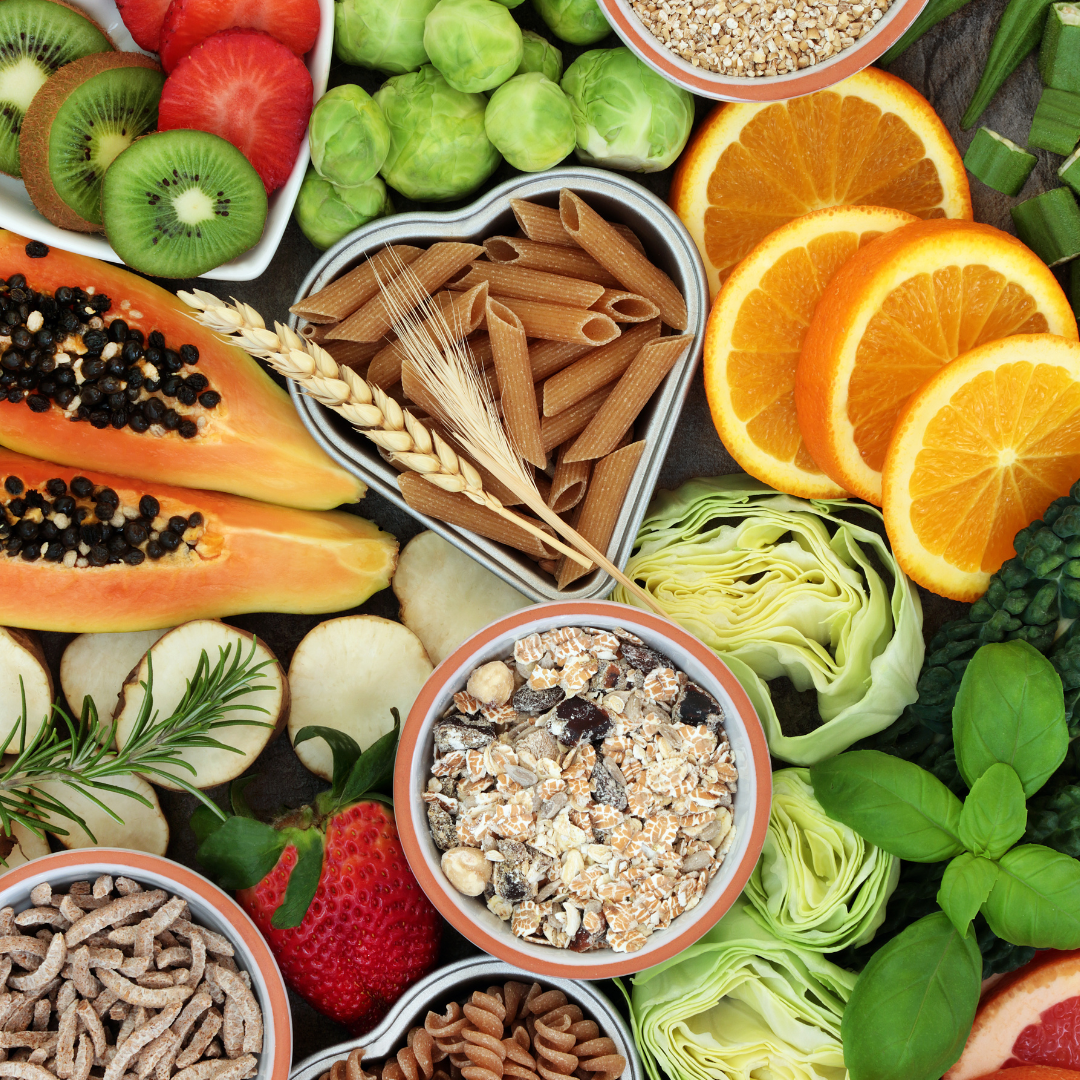
Fiber plays a significant role in digestive health, which can be a concern for many older adults. Adequate fiber intake helps prevent constipation and maintain bowel health. Our dietitians ensure that meals include a variety of fiber-rich foods, such as fruits, vegetables, and whole grains, to support digestive health.
Vitamins and Minerals
Certain vitamins and minerals become particularly important as we age. Our dietitians emphasize the inclusion of:
- Calcium and Vitamin D: Essential for bone health, helping to prevent osteoporosis.
- Vitamin B12: Often poorly absorbed by older adults, this vitamin is crucial for maintaining blood and nerve health.
- Antioxidants: Foods rich in antioxidants help combat oxidative stress and can reduce the risk of chronic diseases.
Special Dietary Considerations
Managing Chronic Conditions
Many older adults manage chronic conditions such as diabetes, heart disease, or kidney disease, which require specific dietary adjustments. Our dietitians tailor meals to meet these specific needs, ensuring that meals are not only safe but also beneficial for managing these conditions.
Texture Modifications
Difficulty chewing or swallowing is a common issue among the elderly, known as dysphagia. Our meals are customized to include softer foods or pureed options that are easier to consume, ensuring that all individuals can eat safely and without difficulty.
The Role of Hydration
Hydration is vital for all, but older adults are at a higher risk of dehydration, which can exacerbate health issues and affect overall well-being. Our dietitians incorporate foods with high water content, such as soups, stews, fruits, and vegetables, to help increase fluid intake. We also educate caregivers and clients on the importance of regular fluid consumption.
Engaging Elderly Clients in Nutritional Choices
Empowering Through Education
We believe in empowering our clients by educating them about their nutritional needs. Our dietitians provide resources and workshops to help older adults understand how their dietary needs can be met through the meals we provide.
Feedback and Personalization
Listening to our clients helps us refine and adapt our meal offerings to better suit their tastes and preferences, which is crucial for maintaining their interest in and enjoyment of food. This feedback loop is essential for continually improving the quality and appeal of our meals.
Conclusion
At Country Kitchen Foods Norfolk, the science of elderly nutrition is not just about meeting the basic dietary needs of older adults. It’s about enhancing their health, well-being, and enjoyment of life through thoughtfully designed meals. Our expert dietitians are committed to applying their knowledge and expertise to ensure that every meal delivered is a step toward healthier aging. By addressing the unique nutritional changes associated with aging, managing dietary needs for chronic conditions, and making food enjoyable and accessible, we are proud to contribute positively to the lives of the elderly in our community.