Good nutrition is foundational to good health at any age, but it becomes particularly crucial as we grow older. For the elderly, proper nutrition can be the difference between a vibrant, independent life and one plagued with numerous health challenges. At Country Kitchen Foods Norfolk, our dietitians are deeply committed to enhancing the lives of elderly individuals through tailored nutritional plans. This blog post explores the critical role nutrition plays in elderly care and provides expert advice from our dietitians on how to manage and optimize elderly nutrition effectively.
The Impact of Aging on Nutritional Needs
As we age, our bodies undergo various changes that can significantly affect nutritional needs. Metabolic rates slow down, digestive systems become less efficient, and chronic health issues may begin to emerge, all of which can complicate the already challenging task of maintaining proper nutrition. Moreover, sensory changes such as diminished taste and smell can reduce appetite and interest in food, which in turn can lead to inadequate intake of essential nutrients.
Key Nutrients for the Elderly
Our dietitians emphasize the importance of several key nutrients that are particularly critical for elderly health:
– Calcium and Vitamin D: Essential for bone health, helping to prevent osteoporosis and reduce the risk of fractures.
– Protein: Crucial for preserving muscle mass, which can decrease naturally with age, leading to frailty and decreased mobility.
– B Vitamins: Particularly vitamin B12, which is often poorly absorbed by older adults and is essential for nerve function and the production of DNA and red blood cells.
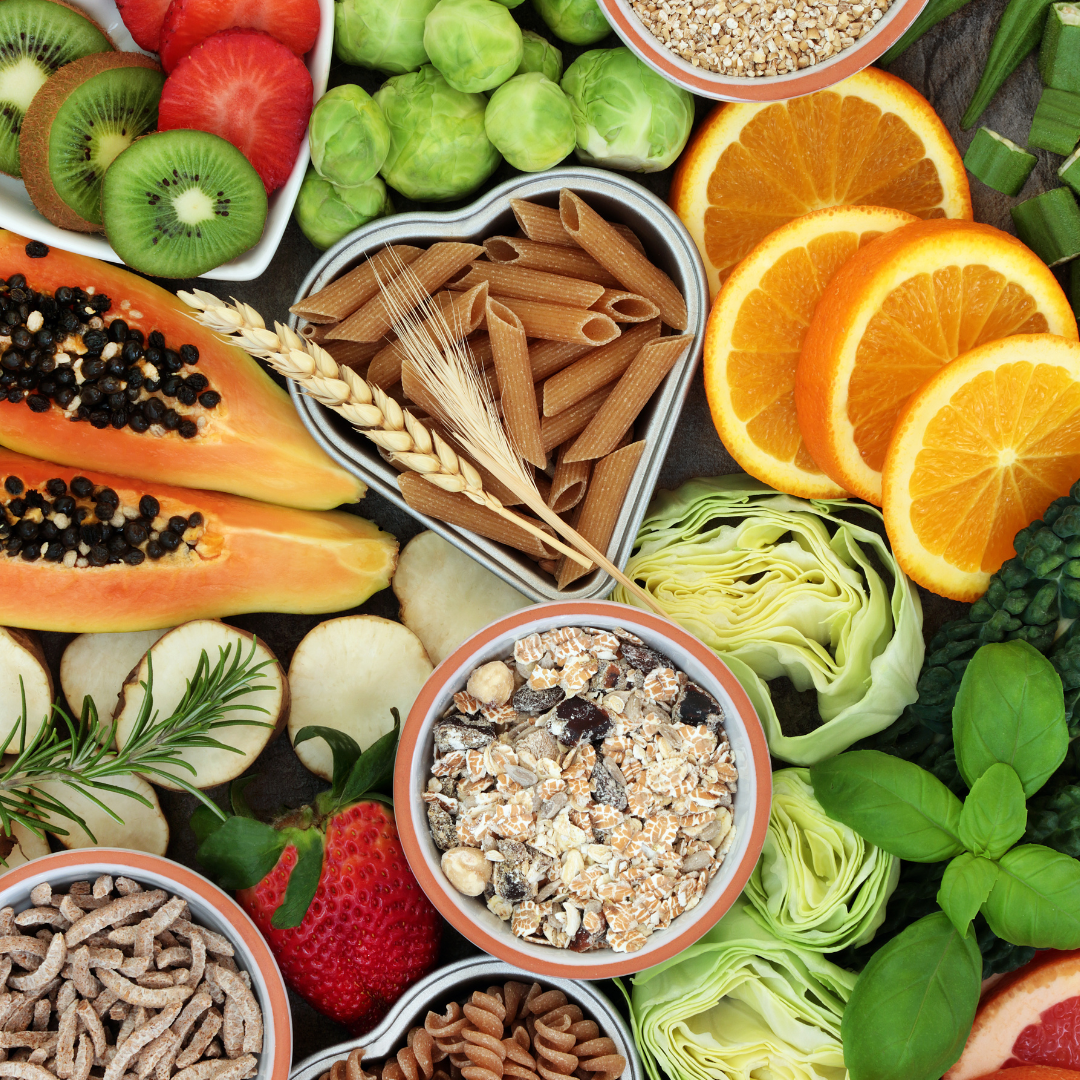
– Fiber: Important for digestive health, helping to prevent constipation, which can be a common problem in elderly populations.
– Omega-3 Fatty Acids: Beneficial for heart health and may also play a role in reducing inflammation and supporting brain health.
Challenges in Elderly Nutrition
Our dietitians note several challenges that can impede effective nutrition for the elderly:
– Dental Issues: Problems such as tooth loss or oral pain can make it difficult to chew food, necessitating modifications in diet texture.
– Chronic Conditions: Diseases like diabetes, hypertension, and dementia can dictate stringent dietary restrictions.
– Medications: Many medications common among the elderly can affect appetite and nutrient absorption.
Expert Advice on Managing Elderly Nutrition
Individualized Meal Planning
One size does not fit all when it comes to nutrition, especially in elderly care. Our dietitians work closely with each client to create personalized meal plans that consider their medical history, dietary restrictions, and personal preferences. This tailored approach ensures that each individual receives the nutrients they need in a form that they can enjoy and digest easily.
Incorporating Variety and Flavor
To combat reduced appetite due to sensory changes, it’s important to focus on creating visually appealing meals that are rich in flavors and textures. Our kitchen uses herbs, spices, and cooking techniques that enhance the natural flavors of food, making meals more enticing and enjoyable without excessive use of salt or sugar.
Regular Nutritional Assessments
Ongoing assessment is key to maintaining optimal nutrition. Our dietitians conduct regular reviews of each client’s nutritional status and adjust meal plans as needed to respond to any changes in health status, preferences, or seasonal availability of ingredients.
Education and Engagement
Educating the elderly about their nutritional needs and involving them in dietary decisions can significantly impact their health outcomes. We offer workshops and one-on-one sessions where clients can learn about the benefits of different nutrients and how they can make informed choices about their diets.
Support for Caregivers
Caregivers play a crucial role in the dietary care of the elderly. We provide them with resources and training to help them understand the nutritional needs of those they care for, ensuring they are well-equipped to manage dietary interventions effectively.
Conclusion
At Country Kitchen Foods Norfolk, we believe that a well-balanced diet is key to maintaining vitality, independence, and quality of life in older age. Our dietitians are at the forefront of ensuring that our elderly clients receive the best possible care through personalized, scientifically-backed nutritional plans. By addressing the unique challenges of elderly nutrition, educating clients and caregivers, and continuously evaluating and adapting our strategies, we help pave the way for healthier, happier lives for the elderly. Good nutrition is not just about prolonging life; it’s about enriching it at every stage.